

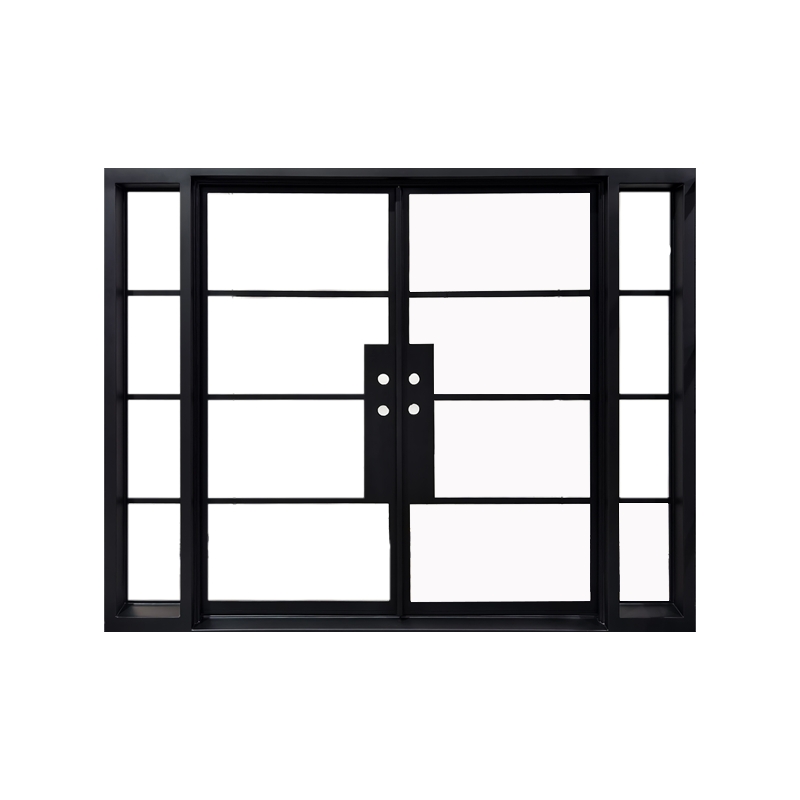
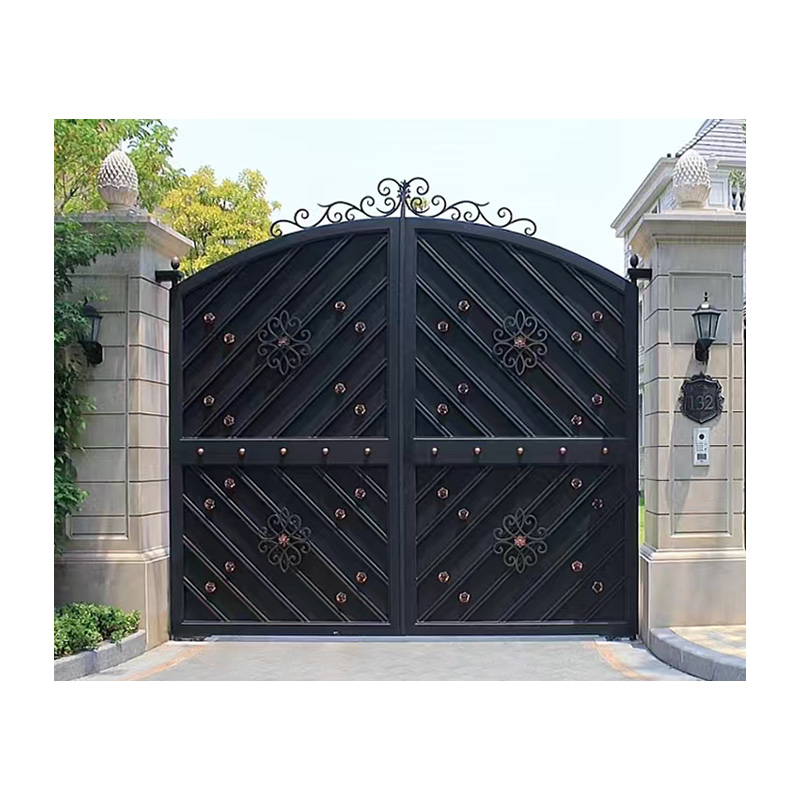
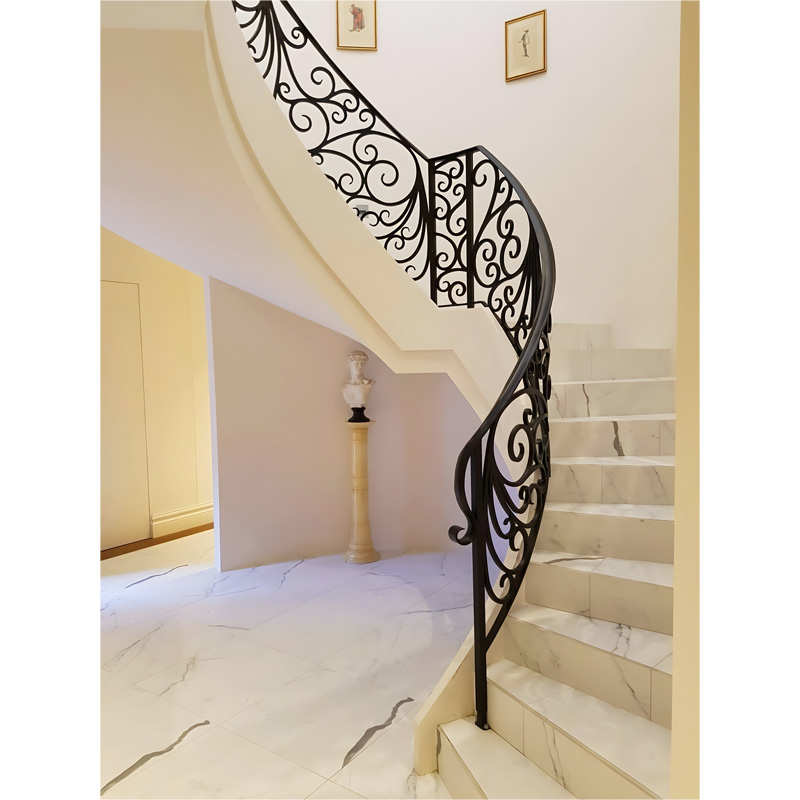
Contemporary architecture is increasingly characterized by scale, simplicity, and experiential design. Modern architects are no longer satisfied with entrances that merely provide access; they seek entrance systems that create spatial drama, communicate architectural identity, and deliver memorable experiences. In response to this shift, Wrought Iron Pivot Doors have emerged as one of the most transformative innovations in architectural entrance design, redefining how buildings are perceived and experienced.
Across Europe, luxury residences, boutique hospitality projects, contemporary villas, and landmark commercial developments increasingly utilize Wrought Iron Pivot Doors to create distinctive architectural statements. This trend is also accelerating demand for customized Wrought Iron Door systems, premium Iron Entry Doors, elegant Wrought Iron Front Doors, and artisanal Hand Forged Iron Doors. For manufacturers such as Xiamen Jin-Dary Iron Door Co., Ltd., the rise of pivot architecture represents a new era of engineering, design flexibility, and architectural creativity.
Contemporary Architecture Prioritizes Spatial Experience
Traditional architecture often treated entrances as transitional elements. Contemporary architecture, however, increasingly views entrances as experiential spaces that influence how occupants interact with buildings.
Modern architects design entrance systems to create:
Visual anticipation
Spatial transition
Emotional engagement
Architectural identity
Sensory experience
Brand perception
As a result, Wrought Iron Pivot Doors have become powerful architectural tools because they fundamentally alter how people experience movement through space.
Unlike conventional entrance systems, Wrought Iron Pivot Doors create a dynamic interaction between architecture and human movement.
Wrought Iron Pivot Doors Transform Architectural Proportions
One of the most significant advantages of Wrought Iron Pivot Doors is their ability to redefine architectural scale.
Traditional hinged systems often impose limitations on:
Width
Height
Weight
Structural balance
Visual continuity
Modern pivot systems eliminate many of these constraints.
Consequently, architects increasingly utilize Wrought Iron Pivot Doors to create:
Double-height entrances
Extra-wide openings
Monumental facades
Floating visual effects
Seamless architectural transitions
This capability allows buildings to achieve a level of visual drama previously reserved for public monuments and institutional architecture.
The Offset Pivot Creates New Visual Dynamics
Unlike traditional doors that rotate from the edge, Wrought Iron Pivot Doors rotate around strategically engineered pivot points.
This unique mechanism creates several architectural advantages:
Enhanced Visual Movement
The rotational movement of Wrought Iron Pivot Doors creates:
Dynamic perspectives
Fluid transitions
Sculptural motion
Spatial interaction
Balanced Proportions
Offset pivots allow architects to create:
Larger panels
Greater symmetry
Improved visual weight distribution
More harmonious facades
Expanded Design Freedom
Architects gain greater flexibility in designing:
Entrance geometry
Structural relationships
Material compositions
User experiences
This engineering innovation has fundamentally changed contemporary entrance design.
Wrought Iron Door Engineering Enters the Structural Era
The growing popularity of Wrought Iron Pivot Doors reflects a broader transformation in the Wrought Iron Door industry.
Modern entrance systems increasingly require engineering expertise comparable to structural construction.
Each customized Wrought Iron Door project now involves:
Structural calculations
Load distribution analysis
Material engineering
Hardware integration
Performance simulation
Installation planning
This shift has elevated the role of the Wrought Iron Door manufacturer from fabricator to engineering partner.
For luxury architectural projects, engineering precision has become as important as artistic design.
Iron Entry Doors Become Architectural Interfaces
As buildings become increasingly intelligent and personalized, Iron Entry Doors are evolving into sophisticated architectural interfaces.
Modern Iron Entry Doors now integrate:
Smart access systems
Environmental controls
Security technologies
Lighting systems
Automation platforms
Digital monitoring
Rather than serving only as physical barriers, contemporary Iron Entry Doors function as interactive components of smart architecture.
Examples include:
Biometric authentication
Smartphone-controlled access
Facial recognition
Remote monitoring
Automated opening systems
This integration of technology and architecture continues to drive innovation.
Wrought Iron Front Doors Support Invisible Design Concepts
A major trend in contemporary architecture is the pursuit of visual simplicity.
Architects increasingly design Wrought Iron Front Doors to appear:
Frameless
Floating
Integrated
Minimalist
Continuous
Architectural
Advanced manufacturing allows Wrought Iron Front Doors to incorporate:
Concealed hinges
Hidden hardware
Flush surfaces
Integrated lighting
Invisible structural supports
These features create entrances that become part of the architecture itself rather than separate components.
This approach aligns perfectly with current European design preferences.
Hand Forged Iron Doors Add Human Character to Modern Spaces
Although contemporary architecture often emphasizes minimalism and technology, there remains strong demand for authentic craftsmanship.
Consequently, architects increasingly integrate Hand Forged Iron Doors into modern projects to introduce:
Material depth
Artistic texture
Human expression
Visual warmth
Architectural uniqueness
Rather than using extensive ornamentation, contemporary Hand Forged Iron Doors often employ subtle handcrafted elements such as:
Surface texturing
Forged handles
Sculptural details
Artistic relief patterns
Custom metal finishes
This balance between technology and craftsmanship creates emotionally engaging architectural environments.
Wrought Iron Pivot Doors Support Open-Plan Living
The rise of open-plan residential design has significantly influenced entrance architecture.
Luxury homeowners increasingly seek:
Visual continuity
Natural lighting
Spatial openness
Flexible living environments
Large-format Wrought Iron Pivot Doors contribute to these objectives by creating:
Expanded sight lines
Enhanced natural light penetration
Seamless indoor-outdoor transitions
Greater visual connectivity
This spatial integration has become particularly important in:
Contemporary villas
Coastal residences
Luxury estates
Designer homes
The relationship between entrance design and interior experience continues to strengthen.
Material Innovation Expands Design Possibilities
Modern Wrought Iron Pivot Doors increasingly incorporate diverse material combinations.
Popular configurations include:
Iron and Ultra-Clear Glass
Providing:
Transparency
Light transmission
Contemporary aesthetics
Iron and Natural Stone
Creating:
Monumental character
Architectural permanence
Luxury expression
Iron and Wood Veneers
Offering:
Warmth
Texture contrast
Natural elegance
Iron and Metal Composites
Delivering:
Industrial sophistication
Modern aesthetics
Material innovation
These combinations continue expanding the creative possibilities of contemporary architecture.
Wrought Iron Door Manufacturing Supports Architectural Experimentation
Architectural innovation requires manufacturing flexibility.
Professional Wrought Iron Door manufacturers increasingly support experimentation through:
Parametric design
Digital modeling
CNC fabrication
Structural simulation
Rapid prototyping
Precision engineering
These technologies enable architects to explore:
Complex geometries
Unconventional dimensions
Experimental materials
Unique structural concepts
As architectural ambition grows, manufacturing capability becomes increasingly important.
Sustainability Supports Contemporary Entrance Design
Environmental performance remains a major priority in European construction.
Premium Wrought Iron Pivot Doors contribute to sustainability through:
Exceptional durability
Long service life
Recyclable materials
Reduced maintenance
Energy-efficient configurations
Unlike short-life architectural products, customized iron entrance systems often remain functional for decades.
This longevity supports both environmental objectives and long-term investment value.
Manufacturing Expertise Defines Premium Performance
The production of high-performance Wrought Iron Pivot Doors requires specialized expertise in:
Structural engineering
Precision fabrication
Surface treatment
Hardware integration
Quality control
International project management
At Xiamen Jin-Dary Iron Door Co., Ltd., advanced production facilities and experienced engineering teams support the manufacture of customized Wrought Iron Door, Iron Entry Doors, Wrought Iron Front Doors, Hand Forged Iron Doors, and Wrought Iron Pivot Doors for demanding international projects.
This combination of engineering and craftsmanship enables the creation of entrance systems that satisfy both architectural ambition and technical performance requirements.
The Future of Contemporary Entrances Is Experiential
Several emerging trends continue accelerating the adoption of Wrought Iron Pivot Doors:
Growth of experiential architecture
Expansion of luxury residential markets
Increased demand for customization
Greater integration of smart technologies
Rising popularity of oversized architecture
Continued appreciation for craftsmanship
Stronger emphasis on sustainability
Increased architectural experimentation
As contemporary architecture continues evolving toward personalization, experience, and innovation, Wrought Iron Pivot Doors will remain at the forefront of entrance design. Through advanced Wrought Iron Door engineering, customized Iron Entry Doors, elegant Wrought Iron Front Doors, and artistic Hand Forged Iron Doors, manufacturers will continue redefining the possibilities of modern architectural entrances.
