

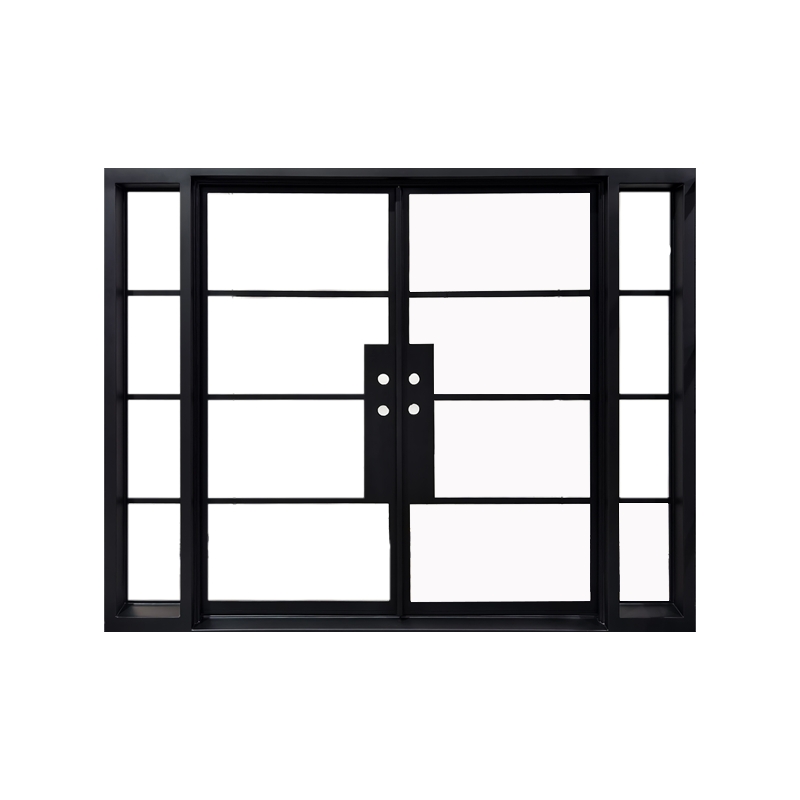
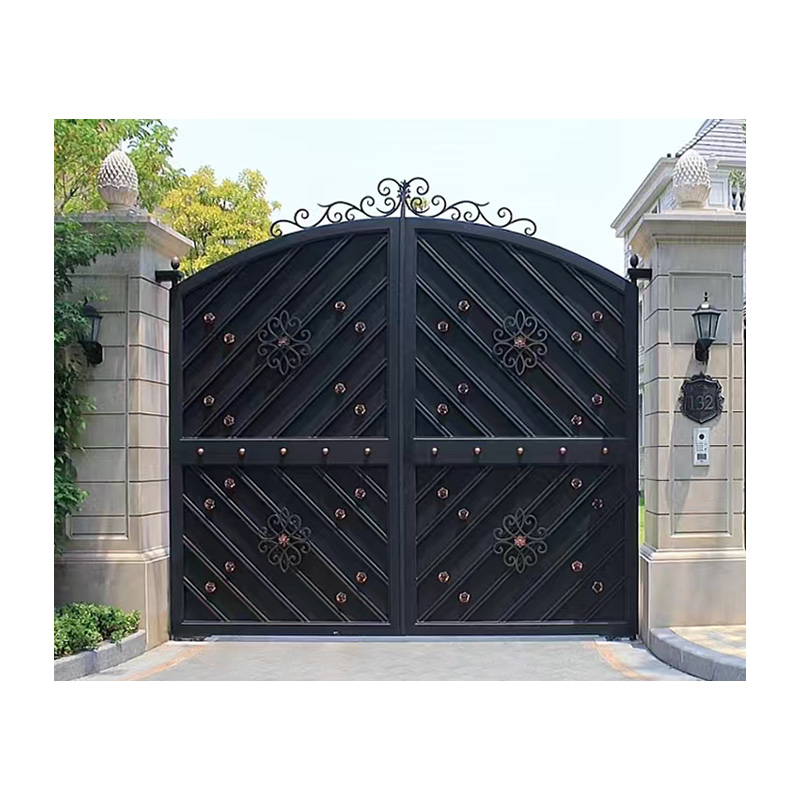
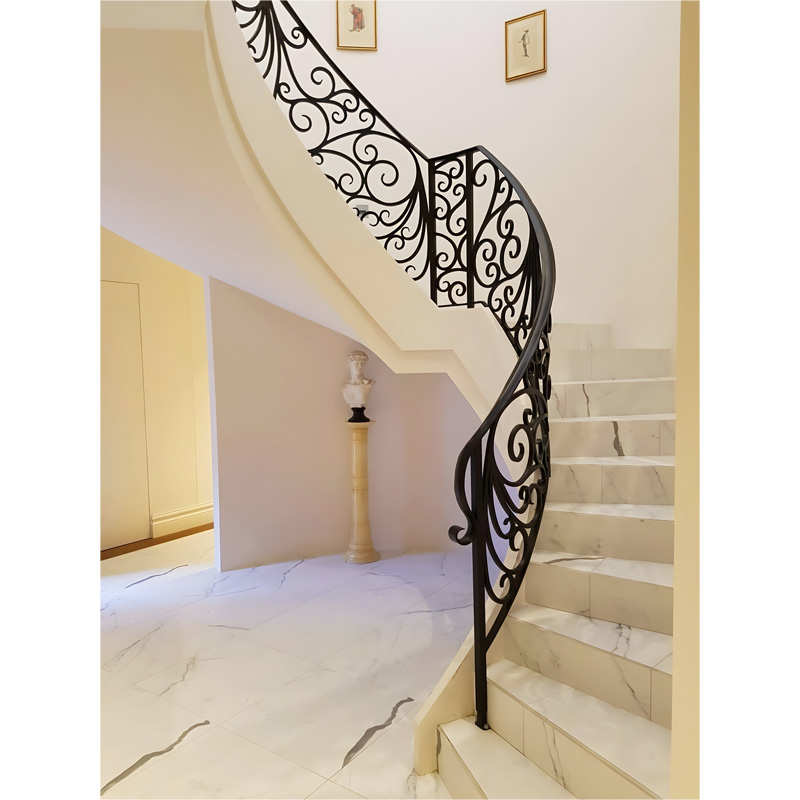
In an era dominated by automation, mass production, and digital manufacturing, true craftsmanship has become increasingly valuable. Across Europe's luxury residential, hospitality, and heritage construction markets, architects and property owners are rediscovering the appeal of handcrafted architectural elements that convey authenticity, permanence, and artistic excellence. Among these products, Hand Forged Iron Doors stand apart as enduring symbols of craftsmanship, transforming entrances into architectural masterpieces that transcend changing design trends.
Unlike industrially manufactured products, Hand Forged Iron Doors embody centuries of metalworking tradition while meeting the technical requirements of modern construction. Their growing popularity has also increased demand for customized Wrought Iron Door systems, premium Iron Entry Doors, luxury Wrought Iron Front Doors, and innovative Wrought Iron Pivot Doors, creating new opportunities for specialized manufacturers such as Xiamen Jin-Dary Iron Door Co., Ltd.
The Return of Craftsmanship in Luxury Architecture
For many years, efficiency and mass production dominated the construction industry. However, luxury architecture has recently undergone a significant cultural shift.
Today's premium buyers increasingly value:
Authentic craftsmanship
Human creativity
Historical continuity
Material integrity
Artistic uniqueness
Long-term investment value
As a result, Hand Forged Iron Doors have become highly desirable because they represent qualities that automated manufacturing cannot fully replicate.
In luxury construction, handcrafted products now serve not only functional purposes but also cultural and emotional ones.
Hand Forged Iron Doors Preserve Human Creativity
One of the defining characteristics of Hand Forged Iron Doors is the visible presence of human craftsmanship.
Every handcrafted component reflects:
Artisan skill
Design interpretation
Manual precision
Creative expression
Traditional techniques
Individual craftsmanship
Unlike machine-produced products, no two Hand Forged Iron Doors are ever completely identical.
This uniqueness creates significant value for:
Luxury homeowners
Architects
Interior designers
Property developers
Heritage restoration specialists
The subtle variations produced during hand forging contribute to the character and authenticity of the finished product.
Wrought Iron Door Manufacturing Combines Tradition and Technology
Modern Wrought Iron Door manufacturing no longer relies solely on traditional techniques.
Today's premium production processes integrate:
Traditional Forging Methods
Experienced craftsmen perform:
Manual shaping
Decorative forging
Artistic detailing
Surface texturing
Ornamental fabrication
Advanced Engineering Technologies
Modern manufacturing supports:
Structural analysis
Digital design
Precision fabrication
Quality testing
Performance optimization
This combination enables manufacturers to produce Wrought Iron Door systems that preserve historical craftsmanship while satisfying modern performance standards.
Hand Forged Iron Doors Support Architectural Storytelling
Luxury architecture increasingly focuses on storytelling.
Rather than selecting isolated building components, architects create environments that communicate identity, history, and emotion.
Hand Forged Iron Doors play an important role in this process by expressing:
Cultural heritage
Family traditions
Architectural philosophy
Historical references
Artistic inspiration
Personal identity
For example:
European Heritage Estates
Architects often specify:
Traditional scrollwork
Historical motifs
Classical proportions
Handcrafted ornamentation
Contemporary Luxury Homes
Modern projects may incorporate:
Abstract metal patterns
Sculptural elements
Minimalist forging details
Artistic textures
The versatility of Hand Forged Iron Doors allows architects to create meaningful architectural narratives.
Wrought Iron Front Doors Become Generational Investments
Luxury buyers increasingly evaluate products based on longevity rather than short-term trends.
Premium Wrought Iron Front Doors offer:
Exceptional durability
Timeless aesthetics
Structural permanence
Historical relevance
Long-term value retention
Unlike fashion-driven architectural products, customized Wrought Iron Front Doors often remain desirable for generations.
Many European families view handcrafted entrance systems as:
Family assets
Architectural heirlooms
Cultural investments
Historical artifacts
Legacy elements
This perspective contributes significantly to the enduring popularity of handcrafted iron architecture.
Iron Entry Doors Reflect Regional European Identity
One reason for the continued success of Iron Entry Doors throughout Europe is their ability to reflect regional architectural traditions.
Different regions favor distinct styles:
Italy
Popular Iron Entry Doors often feature:
Renaissance influences
Decorative ironwork
Artistic detailing
Classical proportions
France
Architectural preferences frequently include:
Elegant ornamentation
Historical motifs
Refined craftsmanship
Traditional symmetry
Spain
Design characteristics commonly involve:
Mediterranean patterns
Decorative scrollwork
Textured finishes
Warm surface treatments
Northern Europe
Contemporary Iron Entry Doors often emphasize:
Simplicity
Geometry
Minimal ornamentation
Structural expression
This cultural adaptability contributes to the enduring appeal of handcrafted iron products.
Hand Forged Iron Doors Support Heritage Preservation
Europe's architectural heritage creates strong demand for authentic restoration solutions.
Historic projects often require Hand Forged Iron Doors capable of reproducing:
Original designs
Traditional techniques
Historical proportions
Decorative patterns
Surface textures
Period details
Applications include:
Historic residences
Castles
Religious buildings
Boutique hotels
Museums
Cultural institutions
The ability to preserve architectural authenticity remains one of the greatest strengths of handcrafted manufacturing.
Wrought Iron Pivot Doors Combine Innovation and Tradition
While handcrafted products are often associated with traditional architecture, they increasingly appear in contemporary projects as well.
Modern Wrought Iron Pivot Doors frequently combine:
Traditional craftsmanship
Advanced engineering
Contemporary design
Monumental dimensions
Innovative hardware
Architectural minimalism
This fusion creates entrance systems that offer:
Dramatic visual impact
Artistic authenticity
Structural performance
Modern aesthetics
Luxury architects increasingly specify handcrafted Wrought Iron Pivot Doors to achieve both innovation and individuality.
Wrought Iron Door Surface Finishes Enhance Craftsmanship
Surface finishing plays a critical role in showcasing handcrafted details.
Modern Wrought Iron Door finishing systems include:
Traditional Patinas
Providing:
Historical character
Material depth
Artistic authenticity
Architectural Powder Coatings
Offering:
Weather resistance
Color consistency
Long-term durability
Textured Finishes
Enhancing:
Surface richness
Visual complexity
Handcrafted appearance
These finishing techniques allow manufacturers to preserve craftsmanship while improving product performance.
Iron Entry Doors Support Luxury Hospitality Design
The hospitality industry increasingly values authentic architectural experiences.
Luxury hotels, resorts, and boutique properties utilize customized Iron Entry Doors to create:
Strong brand identity
Memorable guest experiences
Cultural authenticity
Architectural distinction
Premium positioning
Handcrafted entrance systems contribute significantly to the emotional atmosphere of hospitality environments.
As experiential travel continues expanding, demand for customized iron architecture is expected to grow further.
Sustainability Supports Traditional Craftsmanship
Environmental responsibility has become increasingly important in luxury construction.
Premium Hand Forged Iron Doors naturally support sustainability objectives because they provide:
Long service life
Recyclable materials
Reduced replacement frequency
Durable performance
Timeless aesthetics
Unlike disposable products, handcrafted architectural elements often remain functional and desirable for decades or even centuries.
This longevity aligns closely with modern sustainability principles.
Manufacturing Expertise Protects Craftsmanship Traditions
The production of premium Hand Forged Iron Doors requires substantial investment in both technology and human expertise.
Professional manufacturers maintain:
Skilled craftsmen
Traditional techniques
Engineering teams
Quality control systems
Design specialists
International project experience
At Xiamen Jin-Dary Iron Door Co., Ltd., experienced artisans and engineers collaborate to produce customized Wrought Iron Door, Iron Entry Doors, Wrought Iron Front Doors, Hand Forged Iron Doors, and Wrought Iron Pivot Doors for European and global markets.
This integrated approach helps preserve traditional craftsmanship while supporting contemporary architectural innovation.
Timeless Craftsmanship Continues to Shape Future Architecture
Several market trends suggest continued growth for handcrafted architectural products:
Expansion of luxury residential construction
Growth of heritage restoration
Increased demand for personalization
Rising appreciation for craftsmanship
Greater emphasis on authenticity
Continued investment in luxury hospitality
Expansion of bespoke architecture
Increased focus on long-term sustainability
As architecture continues balancing technological innovation with human creativity, Hand Forged Iron Doors will remain among the most valued expressions of craftsmanship. Through customized Wrought Iron Door systems, premium Iron Entry Doors, elegant Wrought Iron Front Doors, and innovative Wrought Iron Pivot Doors, manufacturers will continue preserving the timeless relationship between art, architecture, and craftsmanship.
